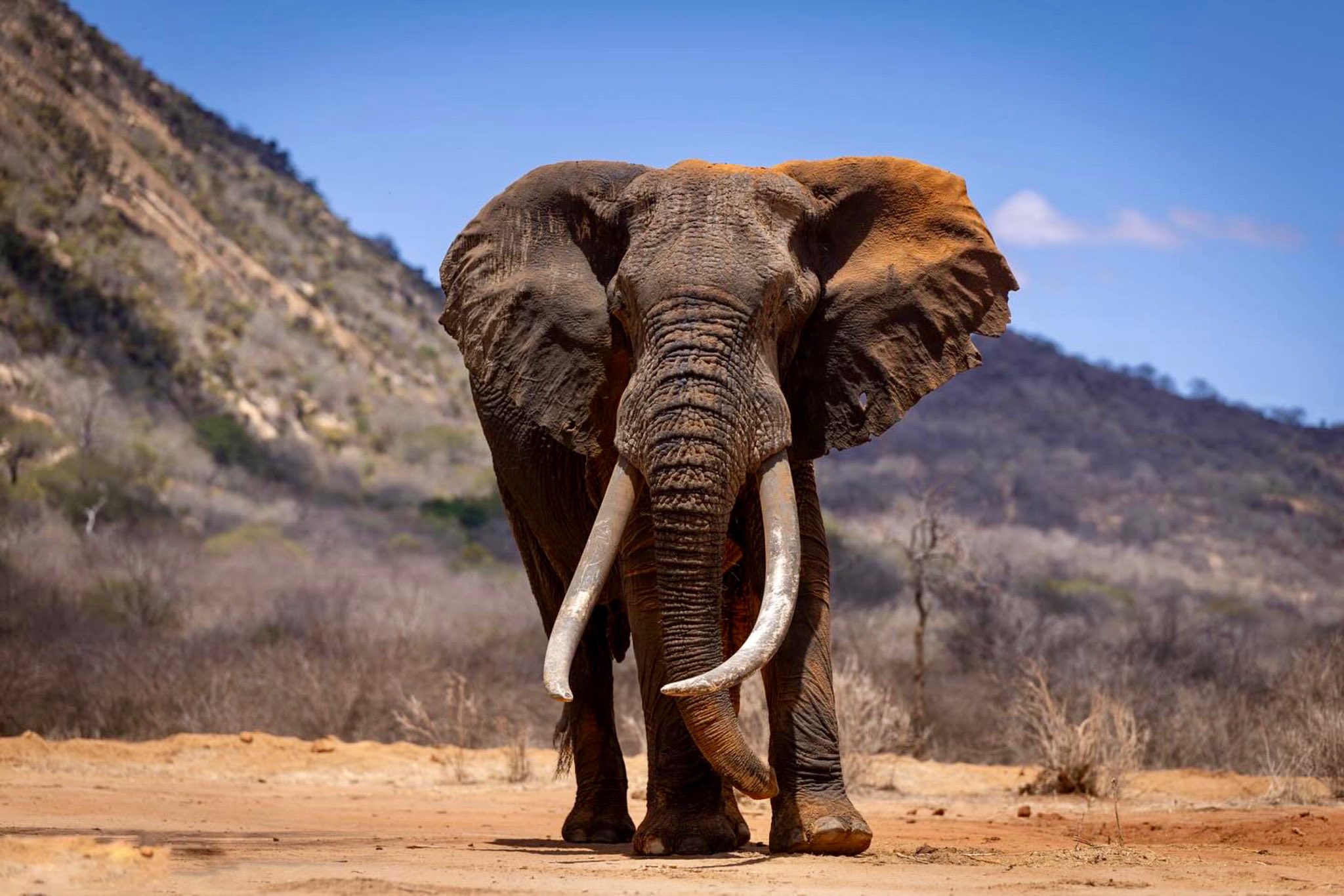
THE WILD LIFE
INTERESTING FACTS ABOUT THE WILD LIFE
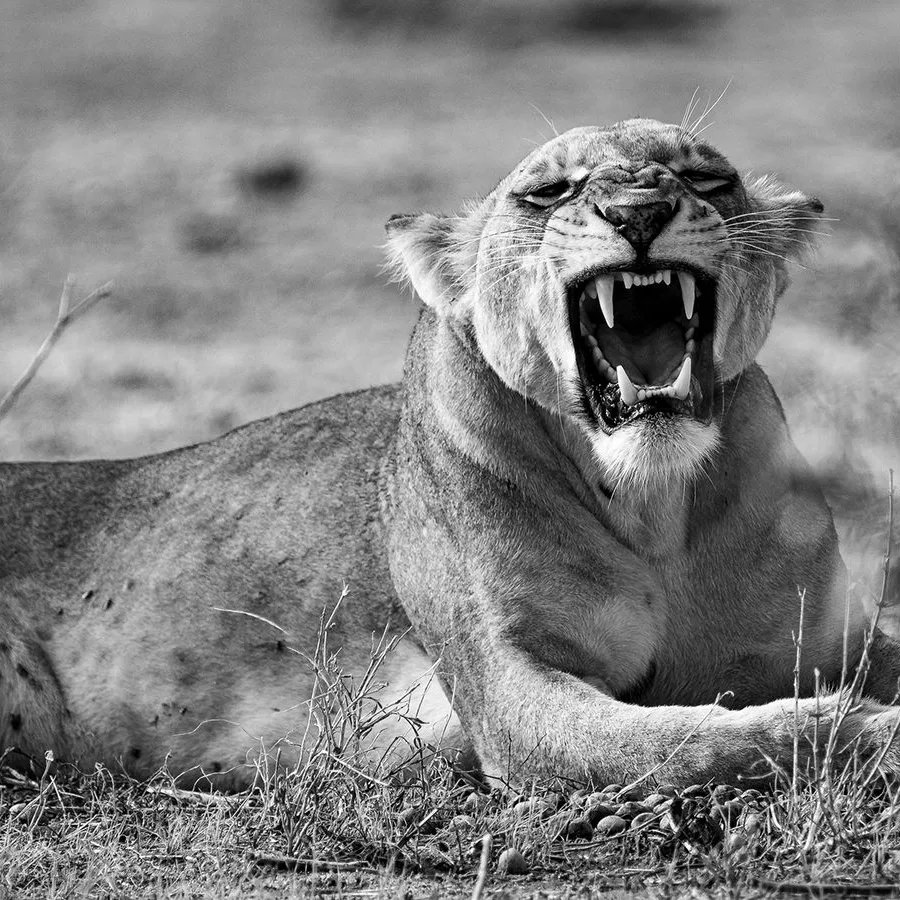
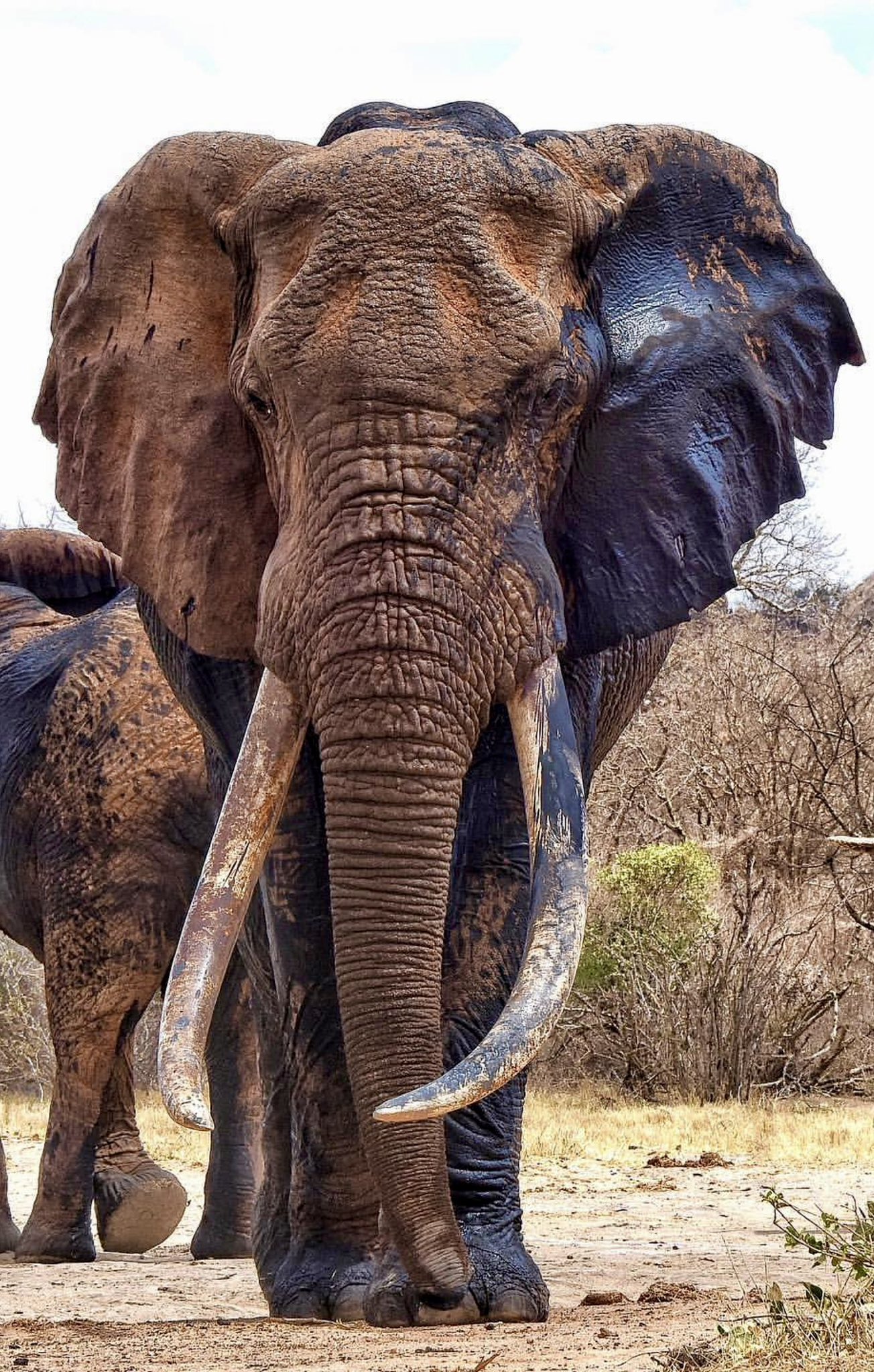
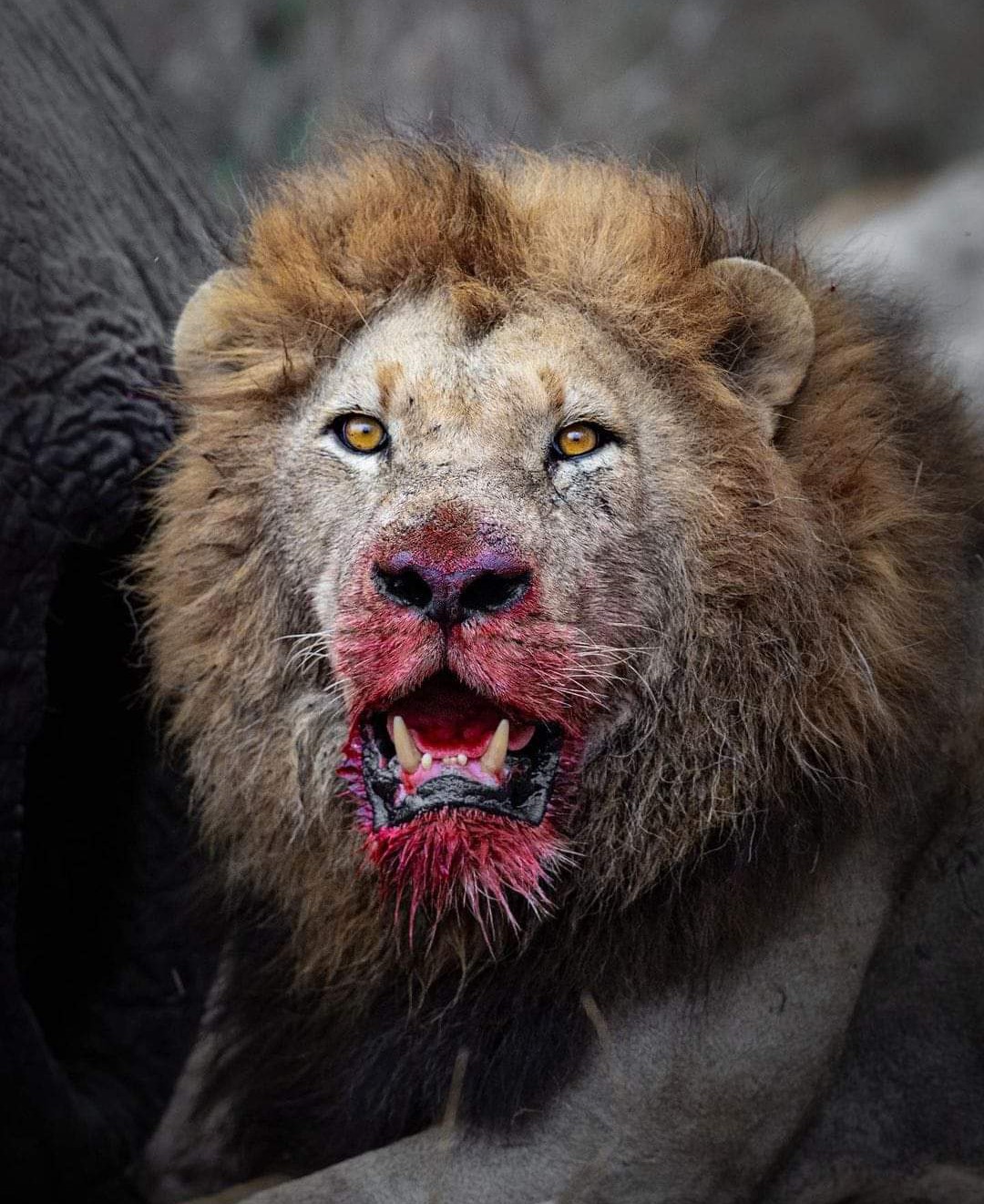
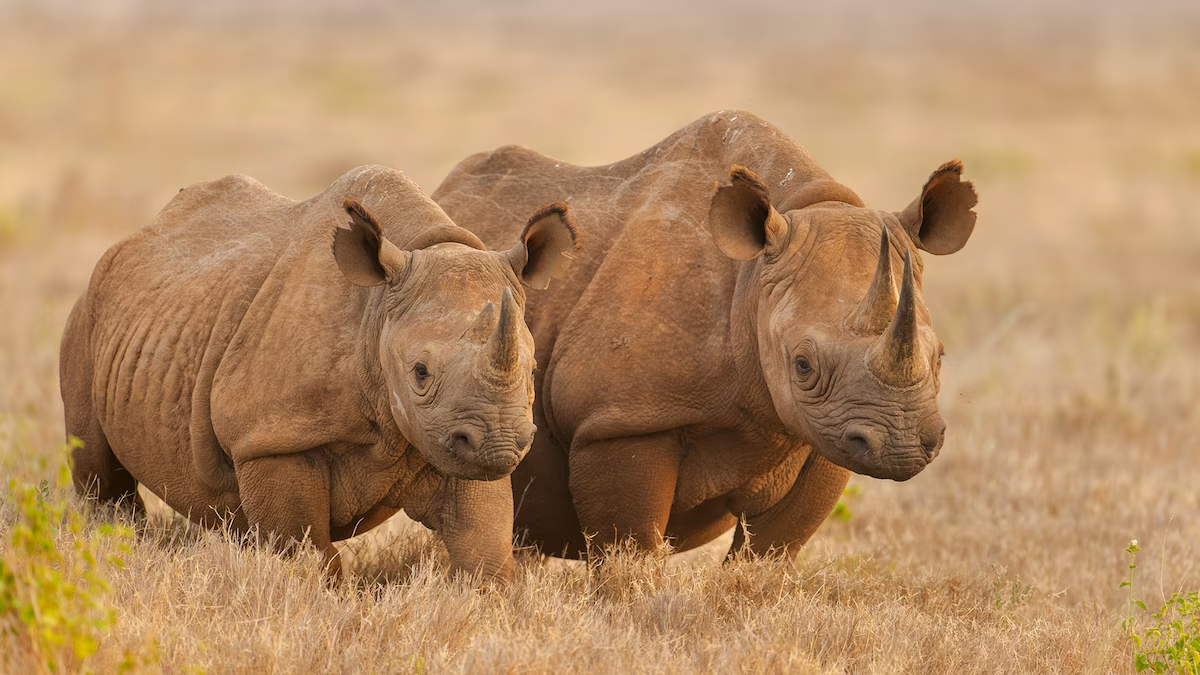
Wildlife refers to undomesticated animal species, but has come to include all organisms that grow or live wild in an area without being introduced by humans. Wildlife was also synonymous to game: those birds and mammals that were hunted for sport. Wildlife can be found in all ecosystems.
Types of Wildlife:
Mammals
- Characteristics: Warm-blooded, hair or fur, most give live birth, mammary glands.
- Examples: Lions, elephants, whales, bats, humans.
Birds
- Characteristics: Feathers, beaks, lay eggs, most can fly.
- Examples: Eagles, penguins, sparrows, ostriches.
Reptiles
- Characteristics: Cold-blooded, scaly skin, most lay eggs.
- Examples: Snakes, lizards, turtles, crocodiles.
Amphibians
- Characteristics: Cold-blooded, smooth skin, life cycle includes aquatic larval stage.
- Examples: Frogs, salamanders, toads, newts.
Insects and Arachnids
- Characteristics: Exoskeleton, segmented bodies, most have six legs (insects) or eight legs (arachnids).
- Examples: Bees, butterflies, spiders, scorpions.
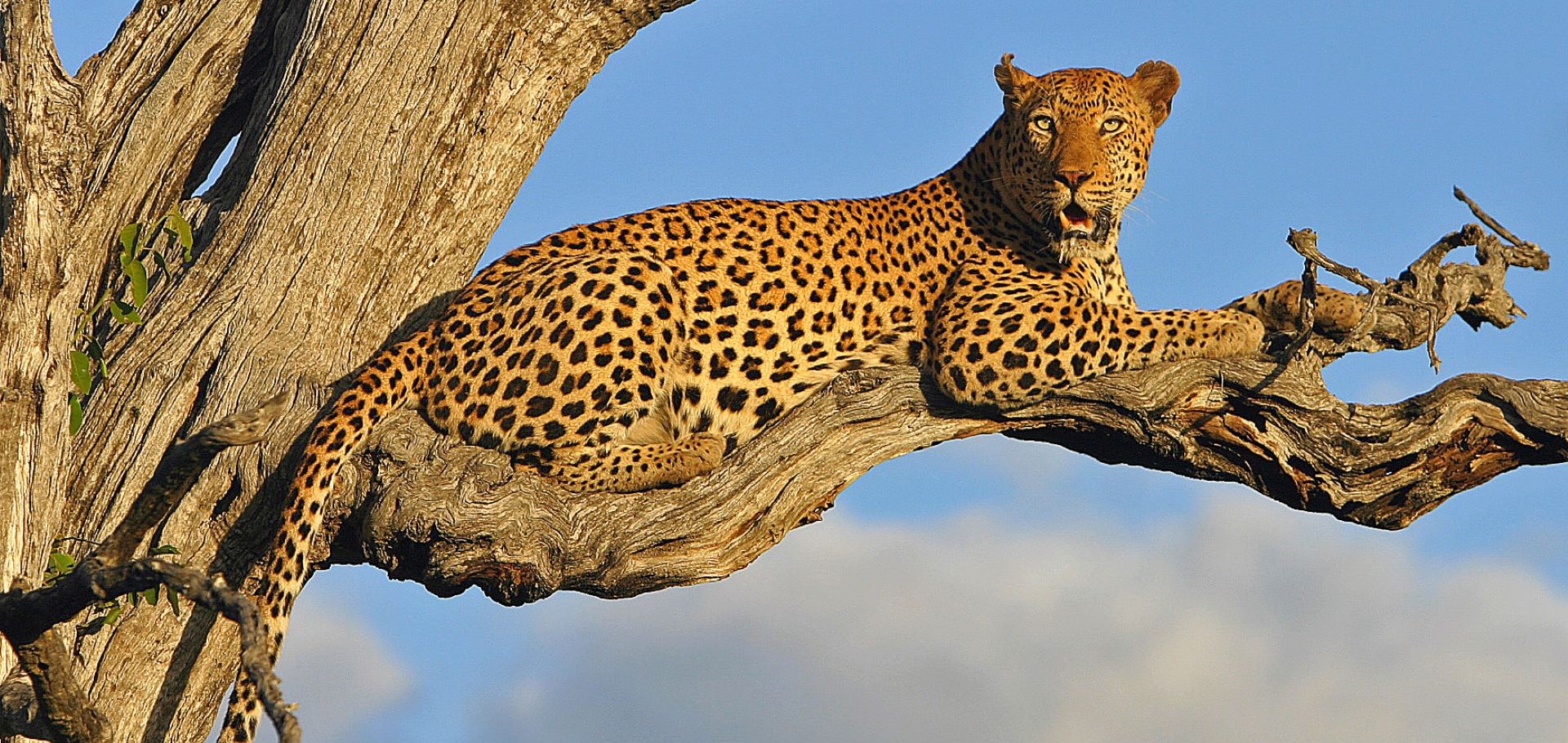
WHY IS WILDLIFE IMPORTANT
Wildlife is critically important for numerous reasons, ranging from ecological balance to cultural significance. Here are some key reasons why wildlife is vital:
1. Biodiversity - Wildlife contributes to biodiversity, which is essential for ecosystem resilience. High biodiversity allows ecosystems to better withstand environmental changes and disruptions.
2. Food Chains and Food Webs - Wildlife maintains the balance of food chains and food webs. Predators control prey populations, and herbivores manage vegetation growth, preventing overgrazing.
3. Tourism - Wildlife tourism is a significant source of income for many countries. Safaris, birdwatching, and diving attract millions of tourists, supporting local economies.
4. Climate Regulation - Forests, which are home to diverse wildlife, play a crucial role in carbon sequestration, helping to mitigate climate change.
Wetlands, rich in biodiversity, act as natural water filters and flood control systems.
5. Cultural Heritage - Wildlife is integral to the cultural heritage and spiritual beliefs of many indigenous and local communities.
Many cultures have myths, stories, and traditions centered around animals and plants.
6. Research and Education - Studying wildlife helps scientists understand complex ecological interactions and evolutionary processes.
Wildlife research can lead to discoveries in biology, ecology, and conservation science.
What is the wild life in South Africa?
The wildlife of South Africa consists of the flora and fauna of this country in Southern Africa. The country has a range of different habitat types and an ecologically rich and diverse wildlife, vascular plants being particularly abundant, many of them endemic to the country. There are few forested areas, much savanna grassland, semi-arid Karoo vegetation and the fynbos of the Cape Floristic Region. Famed for its national parks and big game, 297 species of mammal have been recorded in South Africa, as well as 849 species of bird and over 20,000 species of vascular plants.
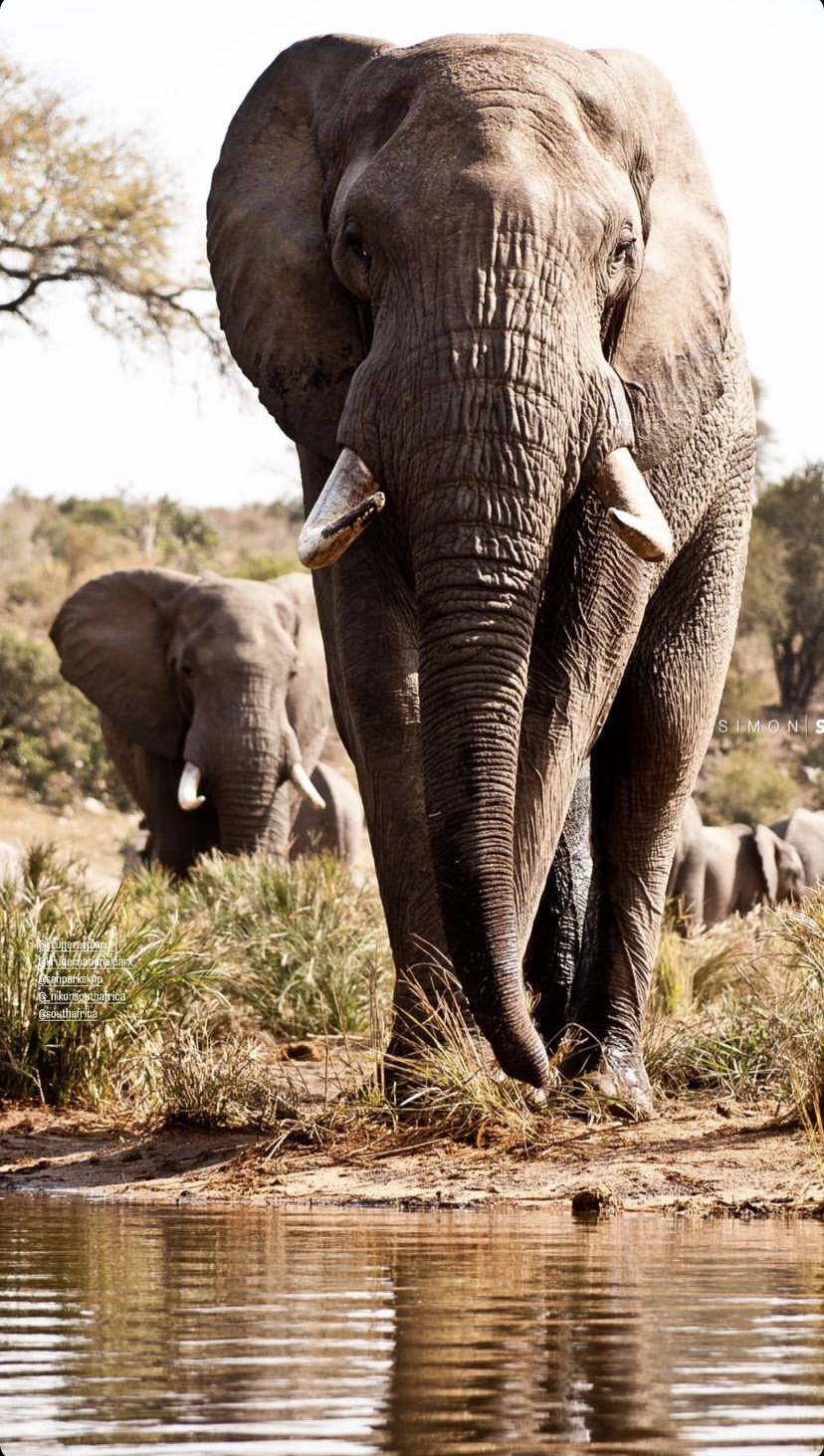
Keep the Wild Alive
Protect Our Wildlife, Preserve Our Planet
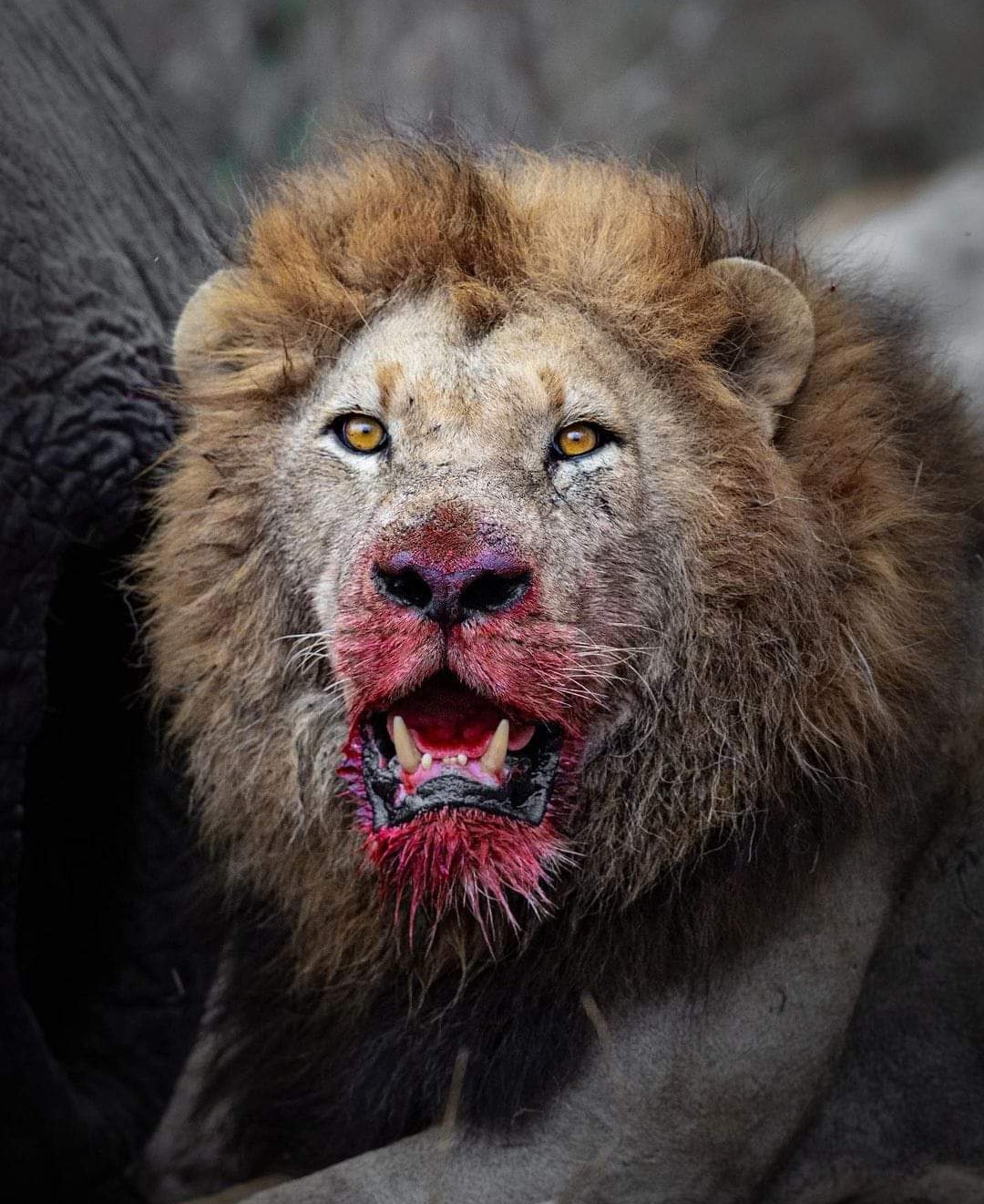
Act Now for Wildlife, Tomorrow May Be Too Late
A world without wildlife is a world without beauty.
Conserve Wildlife, Conserve Life
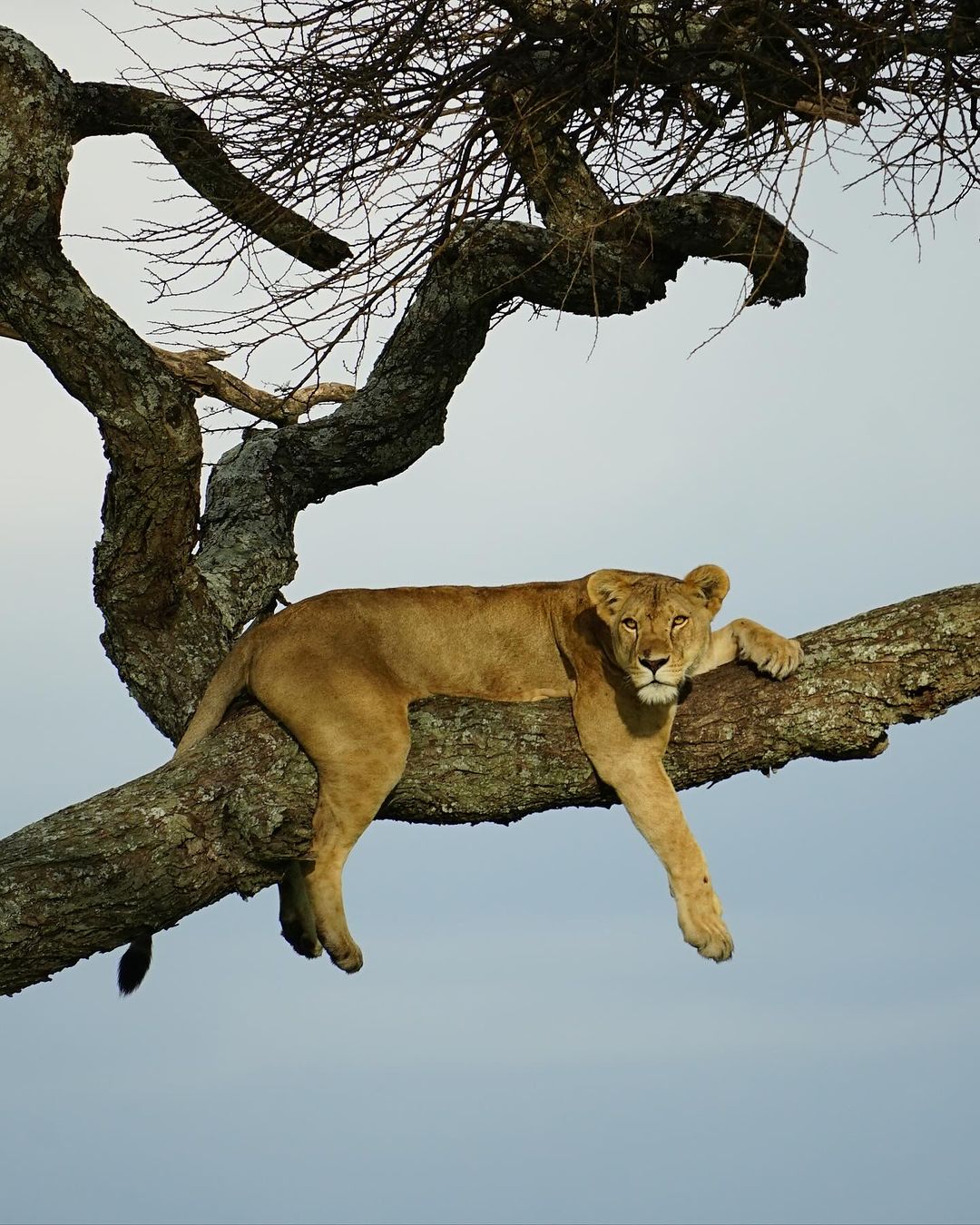
Respect Nature, Protect Wildlife
Wildlife: Our Responsibility, Their Right
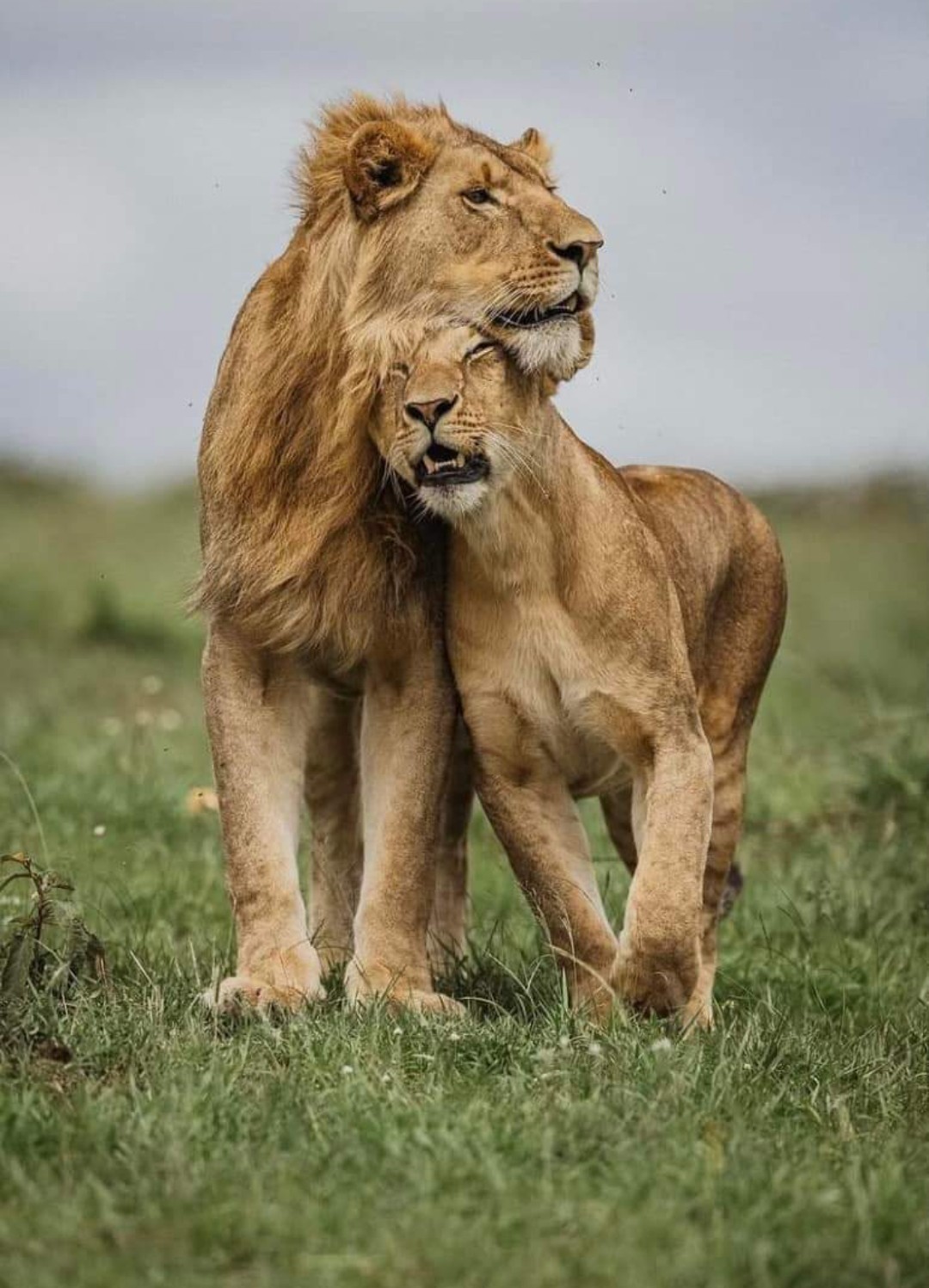
Be a Voice for the Voiceless.
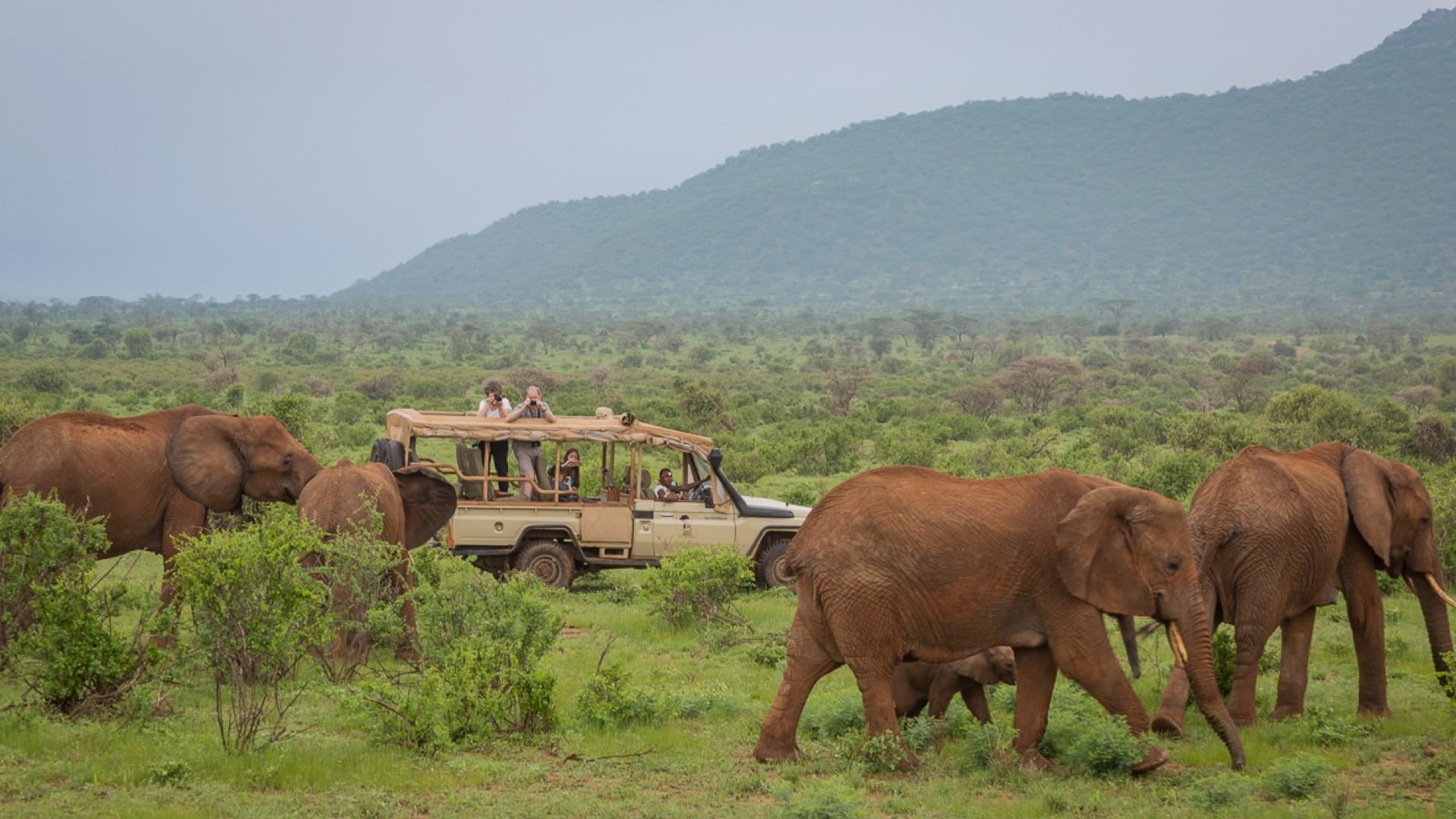
Save Wildlife, Save Ourselves
Nature's Beauty, Wildlife's Duty.
Wildlife is a testament to the planet's diversity and resilience, offering endless fascination and inspiration. Protecting it is crucial for maintaining the health of our planet and ensuring future generations can continue to enjoy its wonders.